
Copper is one of the most important industrial metals globally, driving sectors like construction, electronics, renewable energy, and automotive manufacturing. For buyers, sellers, and investors, understanding the nuances between copper scrap and copper cathode is essential to make informed trading decisions. This blog explores the differences, applications, price trends, and market demand, with insights from Petros FZCO, a leading metal trading company in Dubai.
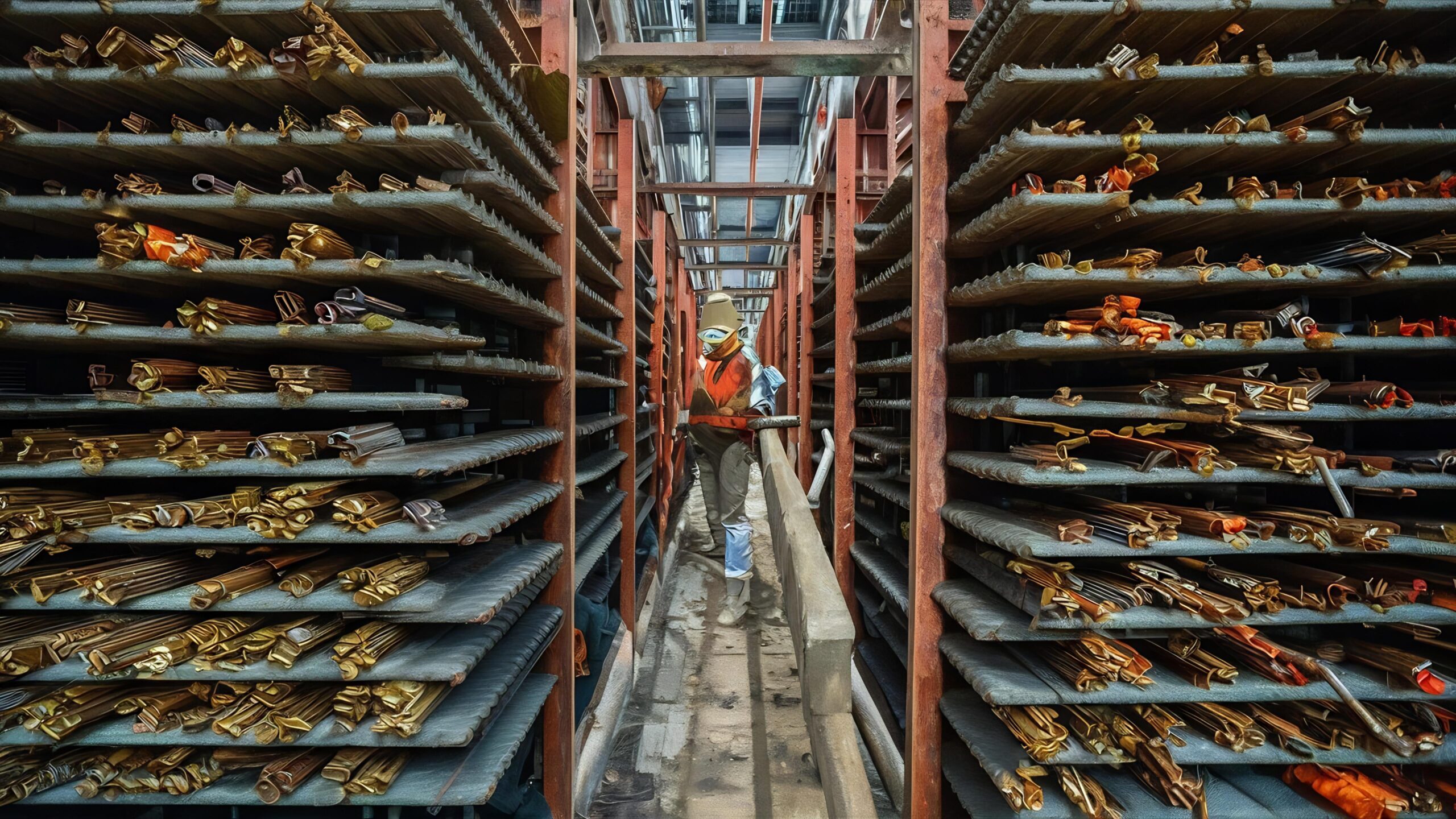
Copper is highly valued for its excellent electrical conductivity, corrosion resistance, and malleability, making it essential for electrical wiring, plumbing, electronics, and renewable energy applications.
In the metal trading market, copper is primarily traded in two forms:
Types of Copper Scrap
Copper scrap is generated from end-of-life products or manufacturing waste. It is categorized based on quality and source:
Applications of Copper Scrap
Market Value and Price Trends
Copper scrap is generally cheaper than refined cathodes due to lower purity. Prices fluctuate based on:
Petros FZCO sources high-quality copper scrap and ensures proper certification, allowing buyers to obtain cost-effective, reliable recycled copper for industrial use.
What is a Copper Cathode?
Copper cathodes are high-purity, refined copper sheets or plates, usually exceeding 99.9% purity. They are produced via electrolytic refining from mined copper or recycled copper feedstock.
Applications of Copper Cathode
Global Market Demand and Price Trends
Copper cathode prices are driven by:
Unlike scrap, cathodes offer stable quality and standardized purity, making them ideal for high-value industrial applications.
Petros FZCO supplies both copper cathodes and scrap, helping clients balance cost, quality, and industrial requirements.
Copper is one of the most widely traded metals in the world, and it enters the market in different forms. Among them, copper scrap and copper cathode are the two most significant categories, each serving different purposes in the industrial and trade ecosystem. Understanding the differences between them is crucial for buyers, sellers, and investors in the copper market.
Summary
In short:
Scrap copper supports sustainability and affordability, while
Copper cathode drives industrial growth and global trade.
Copper scrap comes from recycled materials and has lower purity, while copper cathode is refined to 99.9% purity and used for industrial applications.
Scrap is cheaper but requires processing; cathodes are higher in price but offer standardized quality for critical industrial use.
Prices fluctuate based on industrial demand, supply chain constraints, and global trading activities on exchanges like the LME.
Yes, high-quality scrap can be melted and refined into copper cathodes, creating a sustainable supply chain.
Petros FZCO provides verified copper scrap and cathodes, global logistics, market insights, and regulatory compliance support, helping clients trade efficiently and safely.