Global trade has always revolved around regions that act as reliable connectors between producers and consumers. Today, one such emerging hub is Dubai, a city that has transformed itself from a regional trading port into a global powerhouse for metals and commodities. With its robust infrastructure, strategic location, and investor-friendly regulations, Dubai is fast becoming a magnet for metal buyers and sellers across the world.
But what exactly makes Dubai so attractive for the metal trading industry? And how can global traders—whether they deal in copper, aluminium, or precious metals—tap into this opportunity?
Let’s explore.
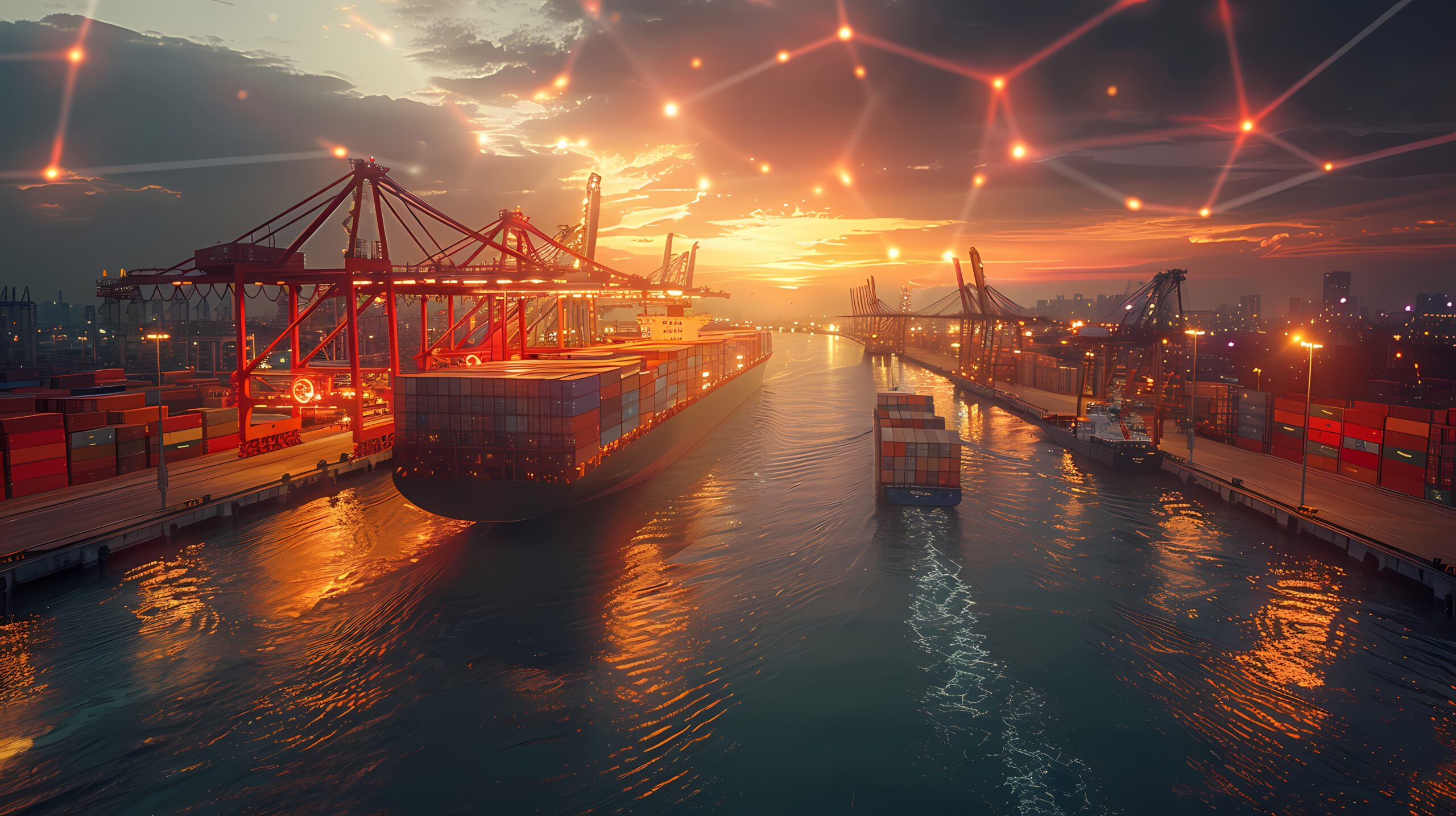
Dubai sits at the crossroads of Asia, Europe, and Africa. This makes it an ideal gateway for the movement of raw materials between major manufacturing economies (China, India, Europe) and consumer markets.
Dubai offers ports like Jebel Ali, one of the largest in the world, coupled with Dubai Multi Commodities Centre (DMCC) and specialized free zones. These facilities are designed to simplify commodity trading and provide warehousing, refining, and logistics support.
The UAE government has introduced tax benefits, 100% foreign ownership in free zones, and streamlined licensing processes. These policies are particularly attractive for international companies looking to establish a presence in the region.
Global industries such as renewable energy, electric vehicles, and construction are pushing demand for metals like copper, aluminium, and steel. Dubai is positioning itself to be the supply-chain backbone of this rising demand.
Types of Metals Being Traded in Dubai
Steel & Iron Products – Fueling the construction boom across the Middle East and Africa.
Regulations & Licensing in Dubai Metal Trading
Anyone looking to trade metals in Dubai must be aware of the regulatory framework:
This compliance-driven approach ensures that Dubai is not just a volume hub but also a trusted and ethical marketplace.
To understand the opportunity, let’s consider the copper market.
The price differential and logistics efficiency in Dubai make it possible for traders to maximize profit margins while ensuring a steady supply for global manufacturers.
Example: A European buyer can source both scrap and cathodes from Dubai traders instead of managing multiple supply chains from Africa and Asia separately. This centralized efficiency is what sets Dubai apart.
One of the biggest risks in global commodity trading is quality misrepresentation. Buyers often complain about shipments not matching specifications, while sellers worry about delayed payments.
This is why long-term partnerships with licensed and certified traders matter. Companies with a strong reputation in compliance, transparency, and logistics reliability stand out.
Where Petros FZCO Fits In
While Dubai hosts hundreds of traders, only a select few combine global reach with ethical and reliable practices.
Petros FZCO has established itself as a licensed Dubai-based trading partner specializing in metals like copper, aluminium, and steel.
For global businesses looking to navigate Dubai’s booming metal trade, having a partner like Petros FZCO means less risk and more opportunity.
Final Thoughts
So, is Dubai the next global hub for metal trading?
All signs point to yes. With its strategic location, free trade policies, and booming demand across industries, Dubai is already playing a central role in shaping the future of global metal trade.
But for buyers and sellers, success in this market depends on choosing the right trading partner—one who can balance opportunity with security.
And that’s where Petros FZCO stands out: as a reliable bridge between global demand and sustainable supply in the world of metal trading.
Dubai’s strategic location, world-class ports, and free-trade regulations make it a convenient gateway for connecting metal suppliers in Africa and Asia with buyers in Europe, India, and beyond.
Dubai is a major hub for copper (scrap & cathodes), aluminium, gold, steel, and iron products. The city is especially important for industries like construction, renewable energy, and electronics.
Traders must obtain a commercial trade license from the Department of Economic Development (DED) or relevant Free Zone Authority. Customs registration and compliance with international quality certifications may also be required.
Regulations require traders to adhere to international standards, often involving lab testing and quality checks. Increasingly, sustainability and ESG compliance are also monitored.
The main risks include price volatility, potential quality misrepresentation, and changing import/export regulations. Working with licensed and reputable traders minimizes these risks.
Petros FZCO ensures hassle-free trade by providing: